
Psychedelic Therapy Music
Why Music Is Important To Your Journey
As research into psychedelic-assisted therapy continues to grow, one message appears consistently throughout the scientific literature: music matters. While much of the public conversation focuses on compounds such as psilocybin, researchers have long recognised that the quality of the experience depends on far more than the substance itself. The environment, mindset, therapeutic support, and especially the music all play an important role in shaping the journey. For anyone exploring psychedelic therapy music, understanding why music is used—and how it influences the experience—can help explain why carefully designed soundscapes have become a standard feature of modern clinical research.
The Core Of Psychedelic Therapy
In nearly every modern clinical study involving psilocybin-assisted therapy, participants spend much of their session wearing headphones and eyeshades while listening to a carefully curated musical programme. This isn’t simply to create a relaxing atmosphere.
Researchers view music as an active component of the therapeutic environment. Rather than distracting participants, the music encourages inward attention, supports emotional exploration, and provides a sense of continuity as the experience unfolds.
This approach has been adopted by leading psychedelic research centres around the world because music consistently helps create the conditions that allow participants to engage deeply with their inner experience.
Why Does Music Have Such a Powerful Effect?
Psychedelics temporarily change the way the brain processes emotion, perception and sensory information. Because of this, music often feels richer, more immersive and emotionally meaningful than it does during ordinary consciousness. Research suggests that music can:
🤍 support emotional openness
🤍 encourage introspection
🤍 provide a sense of safety
🤍 help maintain a natural flow
🤍 reinforce meaningful psychological insights
Does the Type of Music Matter?
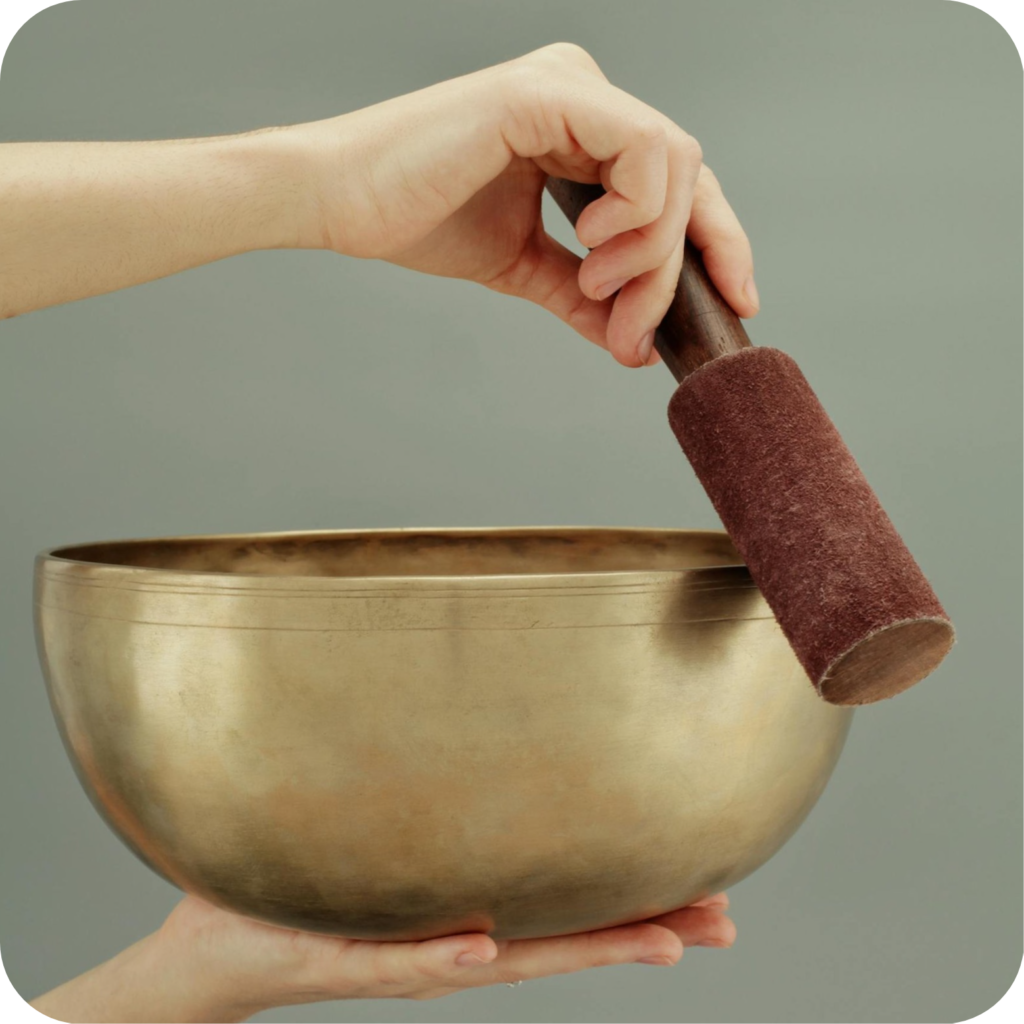
A fascinating study from researchers at Johns Hopkins University explored whether different styles of music influence psychedelic experiences in different ways. Participants completed guided psilocybin sessions while listening to one of two playlists. One playlist followed the classical music tradition commonly used in clinical research. The other featured overtone-rich instruments, including singing bowls, bells, gongs and overtone singing. Although the study was relatively small, participants generally preferred the overtone-based playlist and reported stronger mystical-type experiences. Recognising this research, Psilocybin Music incorporates traditional instrumentation into our soundscapes. We believe these instruments create a sense of ‘ceremony’ and encourage a deeper, more immersive experience. Combining them with modern techniques (binaural beats) is what helps make our soundscapes unique.
Designing Music for Psychedelic Experiences
Creating effective psychedelic soundscapes involves much more than selecting relaxing tracks.
Thoughtful sound design considers:
Rather than drawing attention to itself, well-designed music supports the natural rhythm of the journey and leaves space for the listener’s own inner experience. Our 5-hour full journey mix is specifically designed with this in mind.
Our Approach to Psychedelic Therapy Music
Our soundscapes are inspired by the growing body of research exploring the relationship between music and psychedelic experiences. Each composition is created with careful attention to pacing, atmosphere, emotional flow and spaciousness, drawing on principles that are commonly discussed in psychedelic therapy research. They are not intended to replace professional therapeutic support or to make medical claims. Instead, they are designed as immersive listening experiences for people who value intentional, carefully crafted music and who are interested in the role sound can play in reflective and altered states of consciousness.
The Future of Psychedelic Music
As scientific interest in psychedelics continues to expand, researchers are paying increasing attention to the role of music—not as a background feature, but as an essential part of the experience. Whether in clinical research, ceremonial traditions or personal contemplative practice, one conclusion appears again and again: the right music can profoundly influence how a journey unfolds. For anyone interested in psychedelic therapy music, the goal isn’t simply to find beautiful sounds. It’s to create an environment that supports presence, emotional openness and meaningful exploration.